
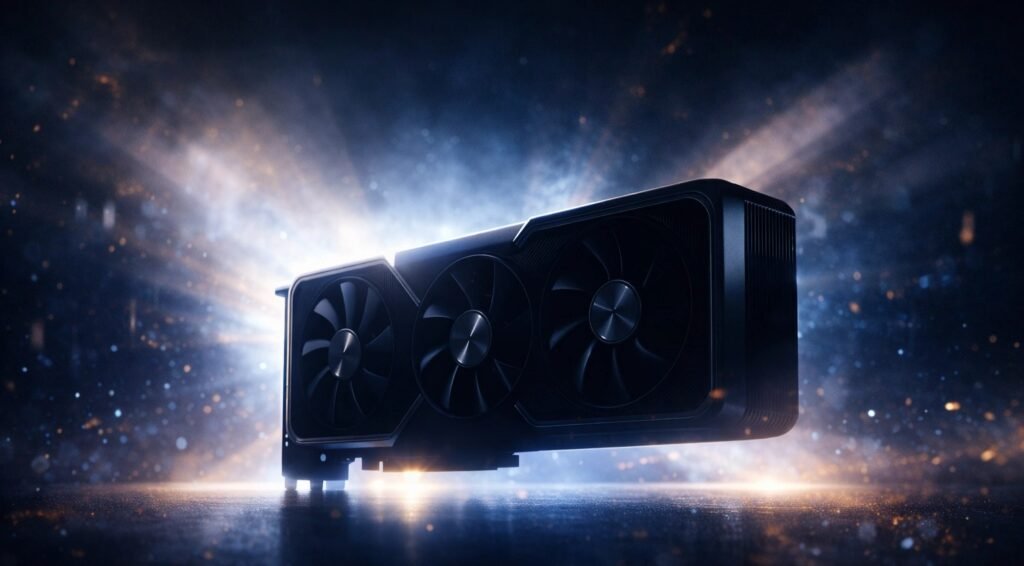
Nvidia gaming GPUs 2026: Shocking Must-Know-New-RTX Report
Nvidia gaming GPUs 2026 may be shaping up to look very different from what PC builders expect. Multiple reports claim Nvidia could go through 2026 without launching a new RTX gaming GPU, including a rumored “Super” refresh that many assumed would land as the usual mid-cycle upgrade. If accurate, it would be a rare pause for GeForce on the consumer side, and it has real implications for pricing, availability, and the upgrade math for anyone sitting on an older card.
The key context is that this isn’t being framed as a performance problem. It’s being framed as a supply-and-priorities problem—specifically around memory. In the reporting, memory (think VRAM supply and the broader RAM market) is described as the constraint, while Nvidia continues to lean hard into its more lucrative AI and datacenter business. For gamers, that combination tends to show up in the places that hurt: fewer new SKUs, tighter supply of existing ones, and price behavior that doesn’t cool off the way it normally does after launch windows.
Before you plan your year around a headline, treat this as what it is: reporting based on sources, not an official Nvidia announcement. But it’s also not a random forum rumor. The story is gaining traction across major hardware outlets because it fits what the market has been feeling—memory remains tight, AI hardware keeps soaking up capacity, and gaming refreshes don’t look like the priority they used to be.
If you want more hardware coverage like this, keep our Tech feed bookmarked here: https://noobidio.com/category/tech/
What Nvidia gaming GPUs 2026 could mean for prices and availability
If Nvidia truly skips a consumer refresh in 2026, the most immediate effect is psychological – and then financial. When buyers believe “nothing new is coming soon,” demand shifts from “wait and see” to “buy what exists. That alone can firm up pricing, especially on the most popular performance tiers where gamers hunt for value.
A second-order effect is supply discipline. Some reporting suggests Nvidia could reduce production of existing GeForce models. When supply is constrained and demand remains steady, the outcome is predictable: retail prices hold, discounts become rarer, and “good deals” evaporate quickly. Even if you’re not in the market, you’ll notice it in the used space too. Stronger new-card pricing props up second-hand prices because sellers don’t need to undercut as aggressively.
Memory matters here because VRAM is not just a checkbox. It’s a defining constraint in modern gaming workloads, especially as higher-resolution textures and ray tracing push the floor upward. If memory availability is the limiting factor, it may also shape which configurations get prioritized – potentially favoring lower-memory, mass-volume SKUs over high-VRAM variants that enthusiasts actually want. That’s not guaranteed, but it’s the kind of tradeoff a constrained supply chain tends to force.
The wildcard is competition. If Nvidia pauses meaningful consumer launches, AMD (and potentially Intel) get a clearer lane to define value this year. That doesn’t automatically translate into cheaper GPUs, but it can change the narrative: gamers become more open to switching when they feel “stuck” waiting. Even the perception of an open lane can pressure pricing and bundles across the market.
Upgrade advice if you were waiting for a refresh
Here’s the practical question most people care about: should you upgrade now, or keep waiting? The answer depends on whether your current GPU is limiting your actual play experience today.
If you’re already dropping below your target frame rate, or you’re making visible quality compromises (texture quality, ray tracing, upscaling settings) just to keep a game stable, waiting is rarely “free.” You’re paying with months of lower quality time. In that situation, the best move is to buy based on current value, not on hope. Look for stable pricing, reputable AIB models, and avoid overpaying for small performance gains.
If your performance is fine and your upgrade is mostly “nice to have,” then waiting can still be rational—just for different reasons. Not because a new GPU is guaranteed soon, but because pricing may soften if memory conditions improve or if competitors land a compelling value tier. Waiting also gives you more clarity on which cards hold value and which ones age poorly.
One more factor: VRAM headroom. If you’re buying in 2026, prioritize configurations that won’t feel cramped in 12–18 months. The goal isn’t to win a spec sheet argument; it’s to avoid the slow, frustrating creep of “this game runs, but it doesn’t feel clean. In many builds, the best upgrade is the one that reduces future compromises, not the one that posts the flashiest benchmark today.
Finally, don’t ignore the used market – but treat it like a hardware transaction, not a bargain hunt. Ask for proof of function, test quickly after purchase, and be cautious with cards that may have lived a hard life. A strong used deal is still a good deal, but only if it actually behaves like the card you think you’re buying.
What could still change this year
Even within the reporting, there’s room for outcomes that don’t match the harshest interpretation. A “no new gaming GPUs” year could still include limited, high-end launches, region-specific supply, or quiet refreshes that don’t look like a traditional lineup. It’s also possible that Nvidia’s plans shift if memory availability improves faster than expected.
So the best stance is “informed skepticism.” Assume the market stays tight until you see real signs of relief: broader stock stability, fewer artificial price spikes, and genuine discounts that stick for more than a day. If those signs show up, the upgrade math changes quickly.
For now, the takeaway is simple: if the reporting holds, Nvidia gaming GPUs 2026 will be defined more by allocation and timing than by new product fireworks. That’s not great news for people waiting for the “next obvious card,” but it is useful information – because it helps you plan purchases around reality, not around the release calendar you wish existed.
For more details, read The Verge’s report on Nvidia’s RTX delay for a full breakdown and expert analysis.
0 Comments
To keep discussions clean, commenting requires a Noobidio account.