
Longtime Like a Dragon fan. I care about the small character beats as much as the big boss themes.
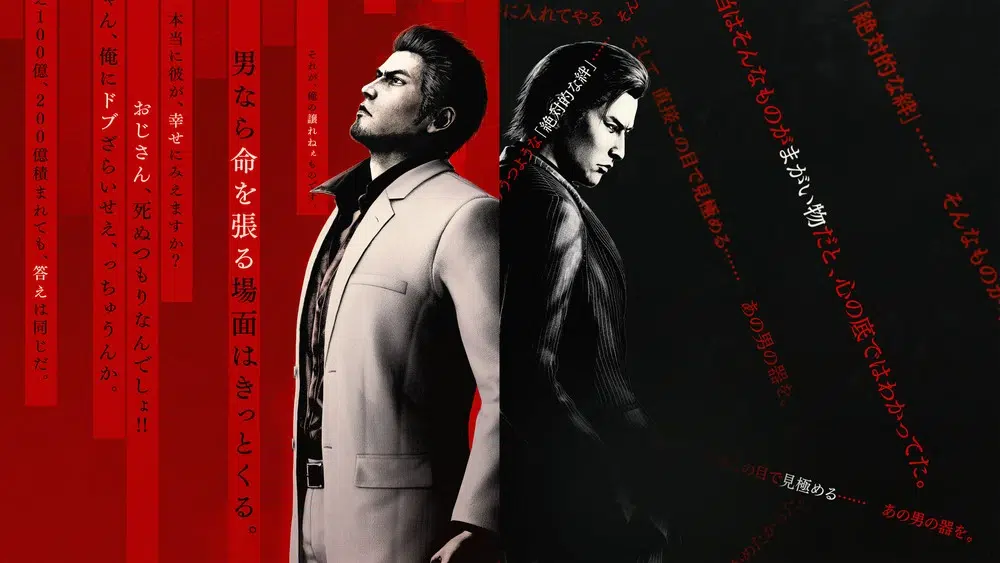
Yakuza (Like a Dragon) fans have been calling Yakuza 3 “the awkward middle child” for years. Not because it lacks heart — if anything, it’s too full of it — but because its combat, pacing, and PS3-era design choices could make that heart harder to reach. Yakuza Kiwami 3 & Dark Ties arrives as a full remake package, and it does exactly what the title suggests: it remakes the most divisive mainline entry, then dares to bolt on a separate side campaign that reframes one of the series’ most debated villains.
This is the rare kind of remake where the loudest conversation isn’t only about frame rate or boss design. It’s about what RGG chose to change, what it chose to leave behind, and what it chose to reinterpret. If you’ve been with this franchise long enough, you already know why that matters: Like a Dragon isn’t just a story you finish — it’s a memory you carry. And when you remake a memory, every small alteration can feel either like a blessing… or like a bruise.
Important note about this article: I played Yakuza Kiwami 3 & Dark Ties as someone who’s lived with this franchise for years — so I judged it on the things that actually matter in a Like a Dragon game: whether Okinawa’s warmth still lands, whether Kiryu’s quieter moments still hit, and whether the combat finally feels as sharp as the story deserves. This verdict comes from my own time with the game — long sessions, real pacing, side content rabbit holes, and enough fights to see where the remake shines and where it still stumbles.
Quick facts
Release window: February 2026
Platforms: PC, PS4, PS5, Xbox Series X|S, Switch 2
Package structure: Kiwami 3 and Dark Ties are presented as distinct experiences (separate progression/saves).
The core promise: “Fix Yakuza 3 without sanding off its soul”
The best version of Yakuza 3 has always been the version that exists in your memory after you’ve finished it: Kiryu in Okinawa, Morning Glory, that slower domestic rhythm that makes the later violence feel uglier — and therefore meaningful. It’s the game where Kiryu stops feeling like a cool protagonist and starts feeling like a man trying to build a life out of the wreckage.
The big question with a Kiwami remake is never “does it look nicer?” It’s whether it feels like a loving restoration or a remix that replaces. And this is where Kiwami 3 becomes a split-screen experience:
On one side, it’s a smoother, more playable version of a historically clunky entry — modernized combat, cleaner flow, better overall feel in motion.
On the other, it’s a package with cuts, recasting choices, and story/canon tweaks that change the intent of certain scenes — not just their visuals. If you’re here for a “definitive edition,” you need to know which side matters more to you.
Story and tone: Okinawa still hits like a warm punch to the chest
Yakuza 3 has always been brave in a way that newer entries sometimes forget: it’s willing to be quiet. Morning Glory isn’t a detour — it’s the emotional core. Kiryu’s days in Okinawa aren’t “slow pacing,” they’re the point. Because only after you watch him try to be a father — really try — does the yakuza violence feel like a tragedy instead of a power fantasy.
Kiwami 3 preserves that warmth. The orphanage chapters still land, and when the game leans into small moments — kids arguing, Kiryu trying to keep calm, the sense of community and routine — you remember why this chapter matters inside the larger saga. It’s the Kiryu who bridges the arc between “legend” and “human,” and that bridge is exactly what later games like Yakuza 6 build on.
Where it gets tricky is tone management. The original had whiplash too, but Kiwami 3’s tighter, shinier presentation makes the swings feel even sharper: heartwarming slice-of-life one moment, crime conspiracy the next, then back to absurd comedy. That’s Like a Dragon, sure — but here you feel the seams more than in Yakuza 0 or Kiwami 2, where the pacing has a more elastic confidence.
Combat: from “Blockuza” to brawling that finally breathes
Let’s say the quiet part out loud: the original Yakuza 3 combat aged rough. The “enemy blocks everything” reputation didn’t come out of nowhere. Fights dragged, momentum died, and Kiryu could feel oddly constrained for someone who’s supposed to be a walking disaster for anyone who gets in his way.
In Kiwami 3, that weight is lifted.
Combat feels more responsive and less stubborn. Enemies don’t shut the whole game down with endless guarding, and the flow of fights actually rewards you for staying aggressive and smart instead of just wearing a wall down. Kiryu feels like Kiryu again — decisive, heavy, fast when he needs to be, brutal when you push for it.
The high-level win
This brawling finally supports what Yakuza 3 always wanted to be: a story-first crime thriller where Kiryu solves problems with spectacular violence… but never looks proud of it. When combat is sharper, the story breathes better. You don’t feel like you’re “paying a tax” every time the game throws three fights at you between scenes.
The tradeoff: modernization can remove personality
Here’s the pattern you’ll see across the whole remake: sometimes, smoothing things out also smooths out a bit of the series’ personality. Some of the older, weirder “learn-a-move” flavor gets replaced by a more conventional progression approach. It’s cleaner. It’s easier. But occasionally you miss that old-school charm where the series felt like it was constantly surprising you with how you earned power, not just how you spent it.
Pacing: improved overall, still uneven in the places you’d expect
Kiwami 3 does a better job than the original at keeping you moving, but it doesn’t completely solve Yakuza 3’s biggest structural weakness: the game can still feel like it has stretches where the story stalls, then suddenly sprints.
Early on, especially, you can feel the game pulling you in two directions:
- “Stay in Okinawa, live the life, care about these people.”
- “No, hurry, there’s a conspiracy, go, go, go.”
When the remake is at its best, those two tensions enrich each other. When it’s at its weakest, it feels like the game is arguing with itself about what it wants to be.
Side content: bigger, busier, and… missing some of the best stuff
Side content isn’t just padding in Like a Dragon. Substories are where RGG shows empathy, weirdness, self-awareness, and sometimes genuine social maturity. They’re also where the franchise earns the right to be serious — because it proves it understands human beings, not just plot twists.
The good news: the classic loop still works
Roaming, stumbling into substories, hopping into mini-games, chasing distractions you swore you wouldn’t chase — that loop is intact. The “I’ll do one more thing” gravity is still there, and Kiwami 3 is still the kind of game where you look at the clock and realize you disappeared into it.
The bad news: some losses sting
This is where longtime fans will get sensitive — because yes, some of the original’s most memorable side moments and bits of worldbuilding aren’t here in the same way. And in a franchise where side content often carries the soul, that can feel like more than a simple cut. It can feel like the game is quietly deciding which parts of its past are worth preserving.
There’s also a specific kind of absence that hits harder than “content”: the moments where Kiryu’s empathy used to show up in a very direct way, especially toward people outside the “typical” heroic spotlight. If you’ve played older entries, you know exactly what I mean. Those scenes weren’t just jokes or side quests — they were part of the franchise’s human texture. When they’re missing, the world feels a little less brave.
Dark Ties: Mine gets the spotlight… and it divides people hard
Dark Ties isn’t a tiny bonus. It’s a separate campaign centered on Yoshitaka Mine — and that choice is either going to feel like a gift or like a mistake, depending on what you think Mine represents in the series.
What works
The intent is clear: expand Mine’s context, explore his rise, give him the kind of focused character space that Yakuza 3 didn’t fully have time for. The tone is generally more subdued than the main campaign, and there’s a strong “character study” ambition behind it. Mechanically, it’s also more combat-forward, and the dedicated fight-focused activities give it a different texture than Kiryu’s Okinawa rhythm.
If you’re the kind of fan who always wanted “more Mine,” the pitch is simple: this is more Mine.
Where it stumbles
Dark Ties has a “justification problem.” It sometimes feels like it exists because it can, not because it must. The strongest version of Mine, in the original, has a very specific emotional aftertaste — one that hits partly because of what’s left unsaid and unresolved. Dark Ties risks over-explaining, and depending on how you read certain story choices, it can undercut the original arc’s impact instead of deepening it.
So the best way to describe Dark Ties is this: fan service with consequences. It’s interesting. It’s not worthless. But it’s also the part of the package that feels most likely to split the fanbase cleanly down the middle.
Presentation: Dragon Engine shine, with a few rough edges still visible
At its best, Kiwami 3 looks and feels modern — especially in lighting, atmosphere, and those “time-of-day” moods where Okinawa feels like a place you want to live in. When the game hits that golden warmth or the neon night tension, it sells the vibe completely.
But it’s not uniformly “wow” across every scene and environment. You’ll notice variance: some areas and character moments feel premium, others feel like a reminder that this is still built on an older skeleton being rebuilt, not a brand-new entry. The result is occasional visual whiplash — less about performance, more about consistency.
Audio-wise, the franchise still does what it does best: it knows how to make you feel something with a single theme, and it knows how to pivot from comedy to menace like it’s changing gears.
The controversial layer: changes that will matter more to veterans than newcomers
There’s no way around it: some of the changes here are the kind that only matter if you care deeply. If you’re new, you may never notice. If you’ve been with this franchise for years, you’ll notice immediately — and you’ll have an opinion.
Recasting choices and content changes aren’t just “internet drama” when you’re talking about a series that lives and dies by voice, character identity, and small emotional beats. Like a Dragon fans don’t only love Kiryu because he wins fights — we love him because of how the games frame his empathy and restraint. If a remake shifts that framing, even subtly, it changes how the story lands.
Who should play it?
If you want the most honest recommendation, it’s this:
You should jump in if…
- You always wanted to love Yakuza 3 but bounced off the combat. This version is far more playable.
- You’re here for Kiryu’s Morning Glory era and want a modern way to experience it.
- You care about Mine and you’re curious enough to accept a reinterpretation — even if you might disagree with it.
You should hesitate if…
- You value specific original substories and “small humanity” moments that helped define Yakuza 3’s soul.
- You’re sensitive to canon reshaping, recasting choices, or retcons that risk changing what certain scenes mean.
- You wanted Dark Ties to feel like a full second masterpiece on the level of the franchise’s biggest highs — it isn’t that kind of add-on.
NOOBIDIO Verdict
Yakuza Kiwami 3 & Dark Ties is a better-playing Yakuza 3 — often much better. Combat finally supports the story instead of fighting it, and the core Okinawa arc still reads as one of Kiryu’s most human chapters. When the game leans into warmth, it reminds you why Yakuza 3 has always deserved a second chance.
But it’s also a package built on choices that will irritate the exact people most likely to buy it: longtime fans who remember the original’s best side content, who care about how Kiryu’s empathy shows up in small moments, and who don’t want a villain add-on to tamper with the emotional residue of Yakuza 3’s ending.
NOOBIDIO Score: 7.5 / 10
A warmer, punchier remake that modernizes the rough edges — but its cuts, controversial choices, and uneven bonus campaign make it a “recommend with warnings,” not a clean slam-dunk.
0 Comments
To keep discussions clean, commenting requires a Noobidio account.