
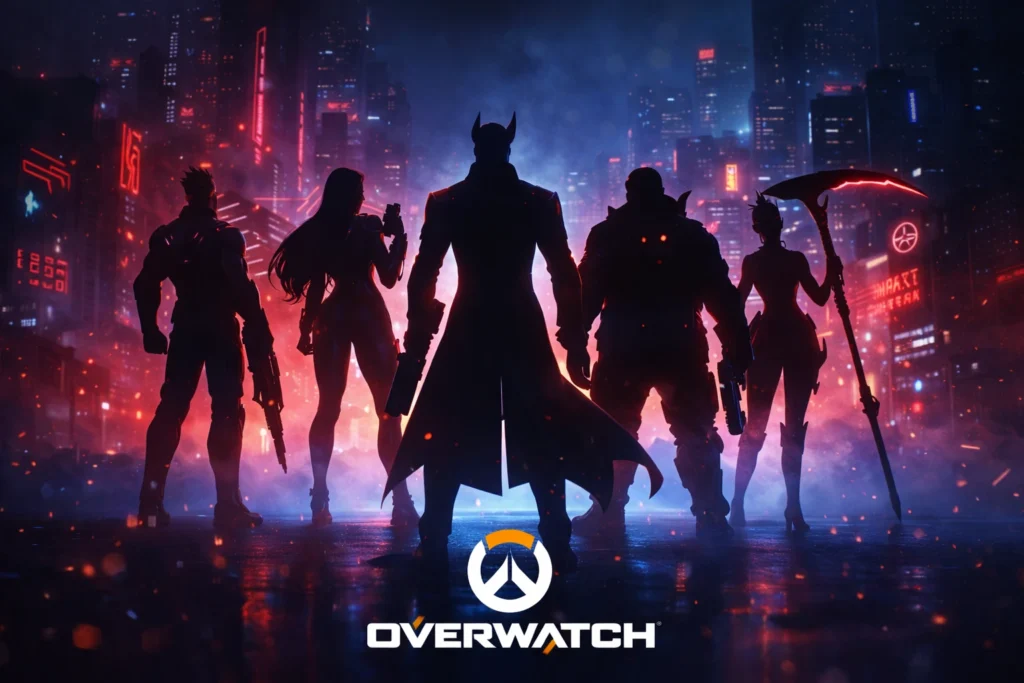
Overwatch Season 1: Wild Must-See 5-Hero Reign of Talon
Overwatch Season 1 is live, and it’s the kind of launch that turns a quiet week into a global timeline takeover. Blizzard’s new Reign of Talon era didn’t just ship another seasonal patch – it reintroduced the game with a bigger live-service swing, five new heroes, and enough social momentum to spill out of the FPS bubble. The result is a rare combo: a hard numbers spike on PC and a meme wave that’s traveling even faster than the patch notes.
If you’ve felt Overwatch fading into “background game” territory over the last couple of years, this is the most credible reversal attempt Blizzard has made. Steam charts surged to a new peak, Twitch viewership jumped, and the conversation shifted from “is this game still relevant?” to “wait, what exactly did they change – and why is everyone posting Jetpack Cat edits?”
For readers tracking this week’s other headline event, you can also check our State of Play coverage here:
Overwatch Season 1: What’s New in Reign of Talon
At a high level, Reign of Talon is framed as the start of a new annual structure built around story arcs and denser seasonal drops. Season 1 opens that arc with a Talon-focused theme and a clear message: Overwatch is trying to feel “current” again, not merely maintained. Blizzard is also leaning into a more event-driven cadence, with faction-based progress and global outcomes designed to keep the wider playerbase pulling in the same direction.
The headline content beat is simple: five new heroes arrive as part of Season 1’s narrative rollout – Domina, Emre, Mizuki, Anran, and Jetpack Cat – an unusually heavy injection for a hero shooter that has historically trickled new characters out over time. The intent is obvious: give returning players immediate variety, and give content creators enough material to produce guides, clips, tier lists, and reaction content for weeks.
Under the surface, the patch is doing a lot of systems work. Role structure and hero tuning are positioned as more deliberate, with changes intended to reduce stale match patterns and make the seasonal “meta” feel like it actually evolves. It’s also the kind of update that generates two parallel conversations at once: the competitive angle (what’s strong, what’s broken, what’s fixed) and the cultural angle (what’s funny, what’s shareable, what’s instantly recognizable on social feeds).
That second lane is where Jetpack Cat becomes a cheat code. A new support hero that’s visually distinct and instantly memeable is exactly the kind of character design that can punch beyond the core playerbase. It’s not just “a new hero,” it’s a mascot-scale concept – one that’s already being remixed into fan edits, reaction posts, and rapid-fire joke formats that travel across platforms without needing context.
Why it’s going viral right now
Two things are happening at the same time: measurable player activity and measurable attention. On Steam, Overwatch hit a new all-time concurrent peak, breaking its previous platform record and signaling that this update pulled in a real wave of installs and returns—not just chatter. Even if Steam represents only a slice of the total PC audience, a platform record is still a loud signal because it’s public and easy to track.
On the attention side, Twitch spikes matter because they show what’s capturing “live” curiosity, not just passive interest. When a game becomes the thing people open Twitch to watch, it drags the broader gaming audience with it – especially when the content mix includes patch exploration, hero previews, ranked grinds, and comedic clips that are perfect for short-form sharing.
The third ingredient is the meme accelerant: Jetpack Cat. You don’t get many moments where a character concept lands so cleanly that it becomes a template for fan creativity within hours. That’s the kind of viral behavior you normally associate with breakout indie launches or chaotic multiplayer moments – not a legacy shooter entering another season. And because memes spread across communities that don’t even play the game, they act like free marketing that doesn’t feel like marketing.
The bigger question is what happens next. Spikes are easy; retention is hard. Overwatch Season 1 has done the first job – getting people to show up and look. The next few weeks will decide whether Reign of Talon becomes a genuine new baseline for the game, or just a strong launch followed by a slow return to old habits. Either way, if you care about what’s trending in gaming right now, this is the story with both the receipts and the reach. For more details, read here for a full breakdown and expert analysis.
0 Comments
To keep discussions clean, commenting requires a Noobidio account.